CALMAR
Brands
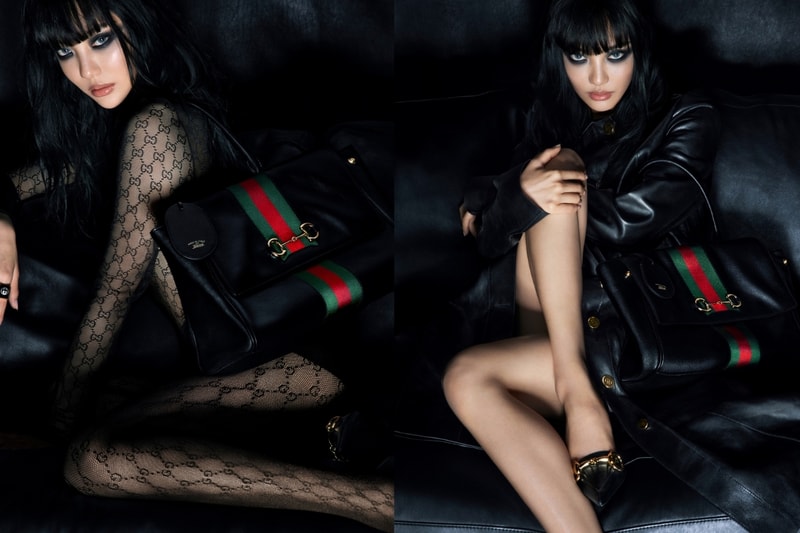
Gucci was founded in Florence in 1921 by Guccio Gucci, who began his career as a luggage porter at London's Savoy Hotel and translated what he learned about discerning travellers into a Florentine leather workshop on Via della Vigna Nuova. The original product was equestrian-inflected luggage and small leather goods for an aristocratic Italian clientele — riding crops, the bamboo-handled bag (1947), the horsebit loafer (1953), all rendered with the unmistakable Florentine craft DNA. The house went through five decades of family ownership and turmoil before Tom Ford's tenure (1994–2004) reset Gucci as the global emblem of sex-positive 1990s glamour. Frida Giannini sustained that vocabulary into the 2010s; Alessandro Michele's 2015 arrival rebuilt it again — maximalist, eclectic, vintage-rich, GG-monogrammed, bringing the brand to its highest revenue in history. Sabato De Sarno took over in 2023 and has been pulling Gucci toward a quieter, more wearable register. Gucci's current owner is Kering, the French luxury group; revenue routinely sits in the €9–11B range, making it the largest house in Kering's portfolio. Despite the corporate scale, the workshops in Scandicci outside Florence still operate at couture-tier craft, and the GG monogram remains one of fashion's most universally recognised logos. Few houses have reinvented themselves so many times without ever losing the architectural language Guccio Gucci built a century ago.

Shop Secondhand

Archive and rare Gucci pieces mostly circulate on the resale market. Japanese sites don't ship to China — buy via a proxy like Buyee; most Western sites ship internationally or are reachable with a US/EU forwarder.

How to buy secondhand →

Flagship Stores4

New York
725 Fifth Avenue, New York, NY 10022 (Trump Tower)
Milan
Via Monte Napoleone 5/7, 20121 Milan
Paris
60 Avenue des Champs-Élysées, 75008 Paris
Tokyo
Gucci Ginza, 4-4-10 Ginza, Chuo-ku, Tokyo

Where to Buy 102

Retailer list compiled from public information; actual availability may vary.

Timeline5

  1. 1921

    Founded in Florence

    Guccio Gucci opens a leather goods shop, inspired by his time at London's Savoy Hotel.

  2. 1953

    Horsebit loafer debuts

    Iconic horsebit loafer launches; later acquired by MoMA's permanent collection.

  3. 1994

    Tom Ford becomes Creative Director

    Ford's provocative campaigns and runway looks pull Gucci out of near-bankruptcy.

  4. 2015

    Alessandro Michele era begins

    Michele's eccentric maximalism transforms Gucci into the millennial luxury brand of the decade.

  5. 2017

    Dapper Dan partnership

    After being accused of copying Harlem's Dapper Dan, Gucci partners with him on collections — heritage rights reclamation.


Related Brands6