
Colorado Crews Are Cleaning Up an “Abundance of Human Shit” at One of the State’s Most Popular Trails
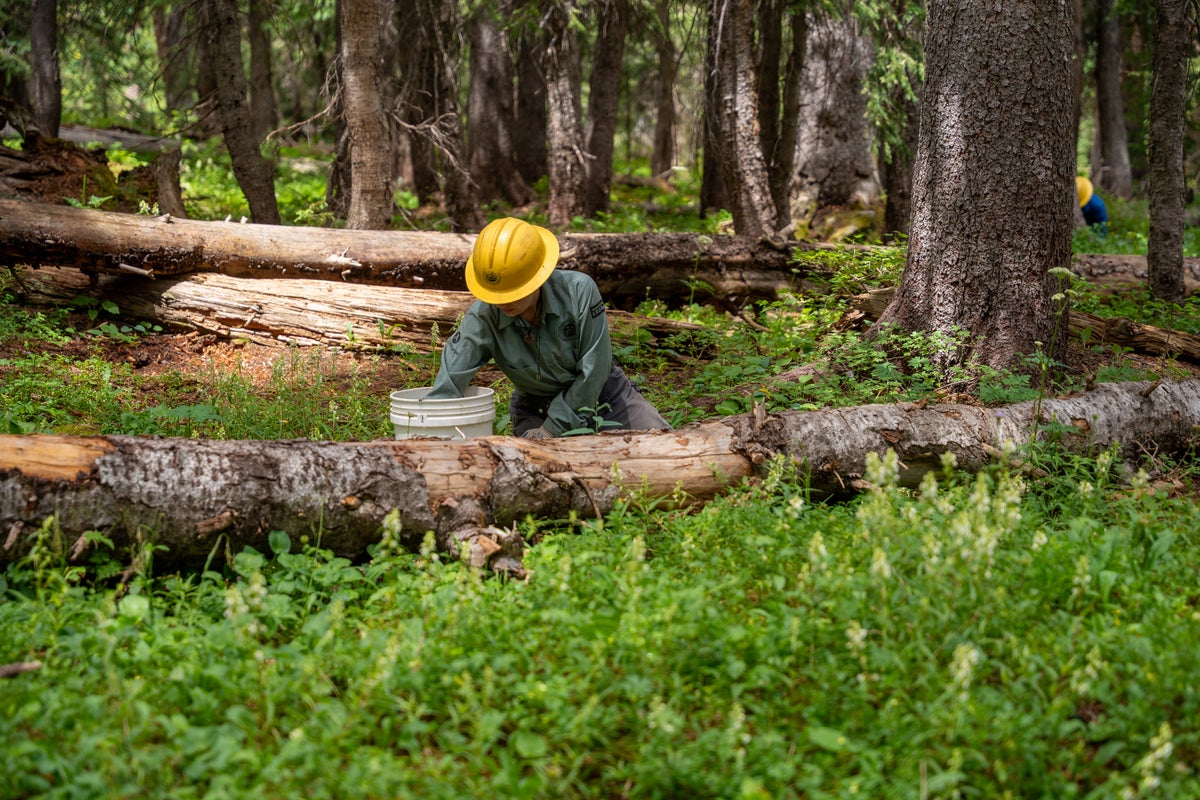
For years, a trail leading to a series of pristine alpine lakes above Ouray, Colorado, has drawn in thousands of eager hikers. But that influx of visitors has also led to what trailworkers on TikTok referred to as an “abundance of human shi…
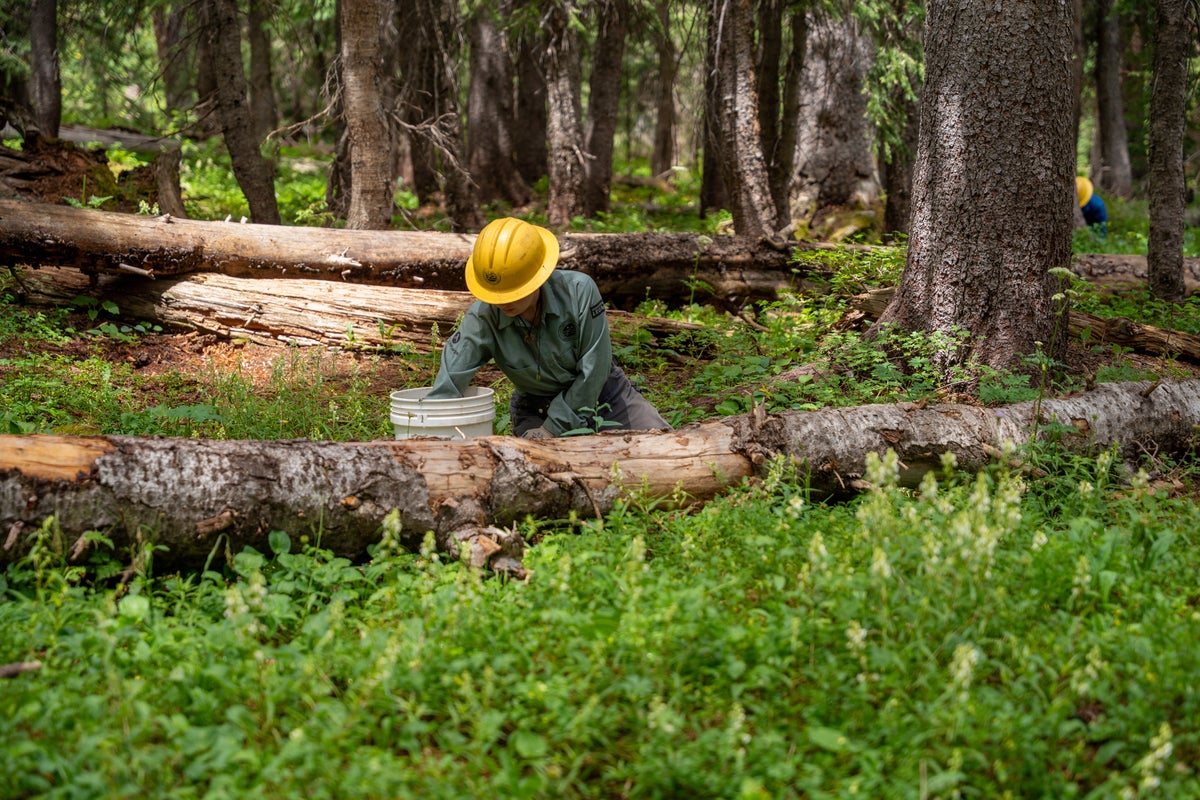
For years, a trail leading to a series of pristine alpine lakes above Ouray, Colorado, has drawn in thousands of eager hikers. But that influx of visitors has also led to what trailworkers on TikTok referred to as an “abundance of human shit,” which trail crews are now working hard to clean up.
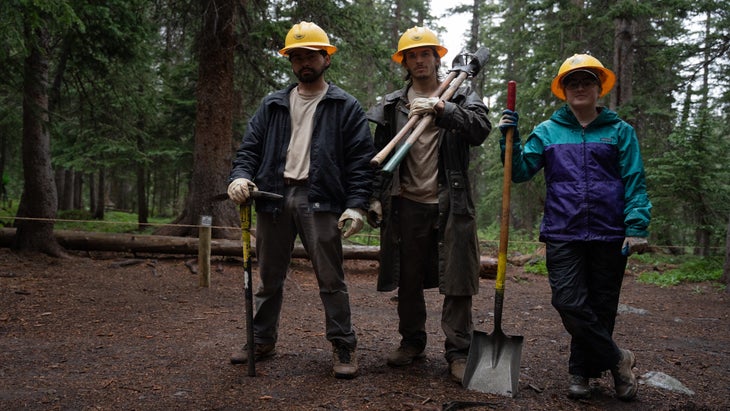
Trailworkers with the conservation nonprofit National Forest Foundation (NFF) are clearing out years of built-up human waste hikers left behind at Blue Lakes Trail, about an hour north of Telluride. Crews say their work will make the popular trail safer and cleaner for both humans and local wildlife.
“That popularity has helped more people connect with public lands, but it has also created significant resource impacts, including trail erosion, soil compaction, damaged campsites, trash accumulation, and widespread human waste issues,” Kaily Raley, program coordinator with the NFF, told Outside.
Blue Lakes Trail encompasses three turquoise lakes nestled in an alpine basin below Colorado’s 14,000-foot Mount Sneffels. The 8.7-mile trail leading to these lakes is one of the most popular hikes in the state, drawing in over 35,000 visitors per year, according to the U.S. Forest Service (USFS).
And with people come their poop, apparently. In response to the influx of human waste, officials are making big changes at the popular trail. On May 31, the USFS implemented regulations to require all visitors to pack out their human waste. The new rules also limit group sizes to six people and ban all campsites at two of the three main lakes.
Officials say they hope these changes will reduce the amount of new poop in the area. In the meantime, volunteers with the NFF are cleaning up all semi-decomposed poop left behind over months and years.
“We thought, ‘Oh yeah, there might be a little bit of human waste,’ then we got here, and it’s just all over the place,” a cleanup volunteer from the Southwest Conservation Corps (SCC) said on TikTok. Another volunteer described the situation as “an abundance of human shit.”
@nationalforests The Blue Lakes Trail leading to Mount Sneffels on the Uncompahgre National Forest is one of the most iconic and heavily visited areas in Colorado. With that popularity comes real impact over time, resulting in user-created trails, damage to fragile alpine vegetation, and pressure on a landscape that takes a long time to recover. The work happening here focuses on restoring impacted areas and helping ensure this landscape can continue to support both recreation and ecological health. It’s part of a larger effort led in partnership with the NFF and other partners working to care for Colorado’s 14ers. Learn more about the work involved in protecting and restoring this incredible place at the link in our bio. #14er #Colorado14ers #BlueLakes #ExploreColorado ♬ original sound – National Forest Foundation
Raley told Outside that the poop isn’t just a problem for the other campers using the lake—which is now contaminated with the fecal bacteria E. coli—as a water source. It’s also a risk for the local animals, some of which appear to be eating the poo.
“Crews working in the area regularly saw wildlife, including marmots, foraging around heavily used sites,” Raley said. “It’s a reminder that human waste and visitor impacts aren’t just a human problem. When these impacts accumulate on the landscape, they can affect the entire ecosystem in ways most visitors never see.”
And “really chunky looking marmots” in the area could be, well, eating that poop, added one of the SCC volunteers on TikTok.
Although the cleanup is a massive undertaking, Raley said the NFF isn’t pushing for less visitation at Blue Lakes. The organization hopes to find a healthy balance between public access and responsible stewardship.
“Our goal is not to keep people away from Blue Lakes,” she said. “It’s the opposite. We want people to continue experiencing this incredible place, but in a way that protects the watershed, respects the landscape, and ensures it remains healthy for future generations.”
How to Deal with Poop in the Backcountry
In high-alpine zones, desert ecosystems, slot canyons, and highly trafficked regions like Blue Lakes, burying your feces is sometimes prohibited because the environment can’t decompose it efficiently. According to the Bureau of Land Management, in some arid environments, human waste can take over a year to break down.
In these areas, pack out all solid human waste using a “waste alleviation and gelling” (WAG) bag. Check local land management regulations before your trip.
In other regions, Leave No Trace principles require burying human waste to prevent the spread of disease to wildlife and other human visitors, protect water quality, and minimize social impacts. Here’s how to do it.
1. Distance: Select a site at least 200 feet away from trails, campsites, and water sources. This equates to around 70 to 80 adult steps.
2. Location: Choose an inconspicuous area with deep organic soil and lots of exposure to sunlight, which aids in rapid decomposition. Avoid places where water flows during storms, such as dry washes or gullies.
3. Dimensions: Use a trowel to dig a hole in the ground six to eight inches deep and four to six inches wide. In arid or desert environments, make the hole a bit shallower, no more than four to six inches, to allow heat to dehydrate the waste.
4. Waste and Toilet Paper: Deposit your bodily waste directly into the hole. Burying unscented toilet paper is allowed in some areas, but packing it out in a sealed plastic bag is recommended to prevent animals from digging it up. Wet wipes and hygiene products should always be packed out.
5. Closure: Fill the hole completely with the dirt you just dug up, and tamp it down firmly. Cover the surface with natural materials, like leaves, twigs, or rocks, to camouflage the site.
Last but not least… Don’t forget to wash your hands!
Look, we get it. Sometimes nature calls—aggressively. When it does, check out this piece on managing outdoor poop emergencies when you’re far from the bathroom.
The post Colorado Crews Are Cleaning Up an “Abundance of Human Shit” at One of the State’s Most Popular Trails appeared first on Outside Online.
Source: Outside Online — Read original