
When in Doubt, Bark It Out: Why I Feel Safer With My Reactive Dog
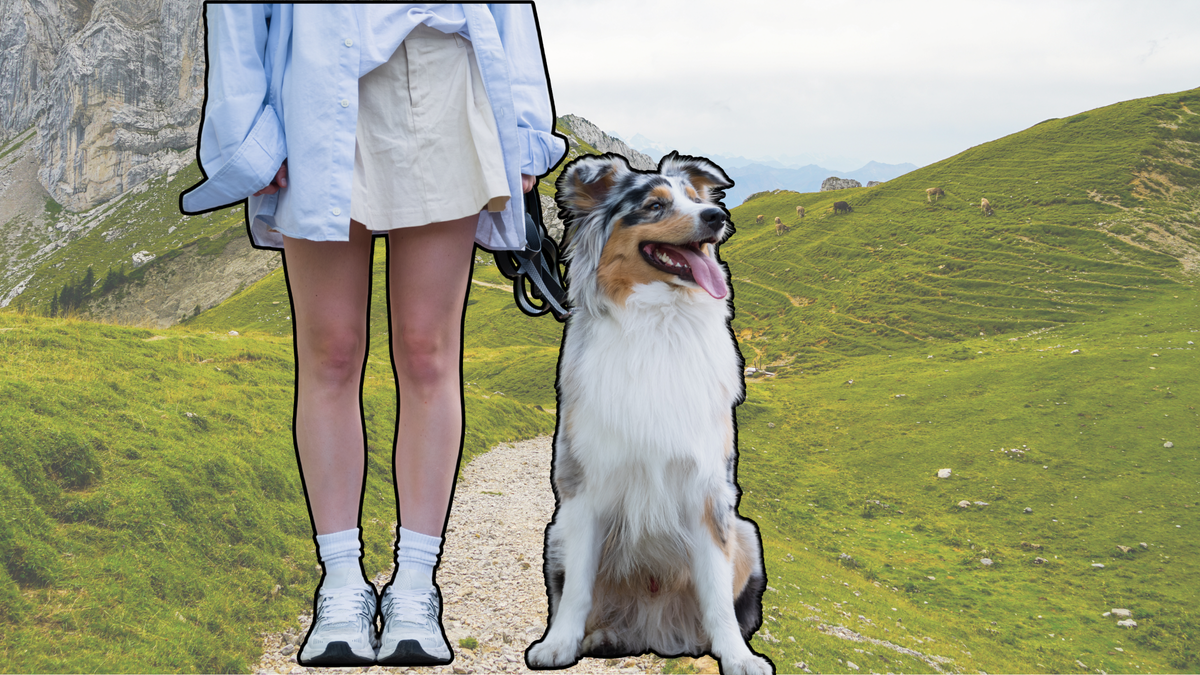
This story discusses sexual assault. If you or someone you know is a victim of sexual violence, you can call the National Sexual Assault Hotline toll-free from anywhere in the U.S. at 1-800-656-4673. Some people might put my dog, Saylor, in…
This story discusses sexual assault. If you or someone you know is a victim of sexual violence, you can call the National Sexual Assault Hotline toll-free from anywhere in the U.S. at 1-800-656-4673.
Off leash? We could (would) never.
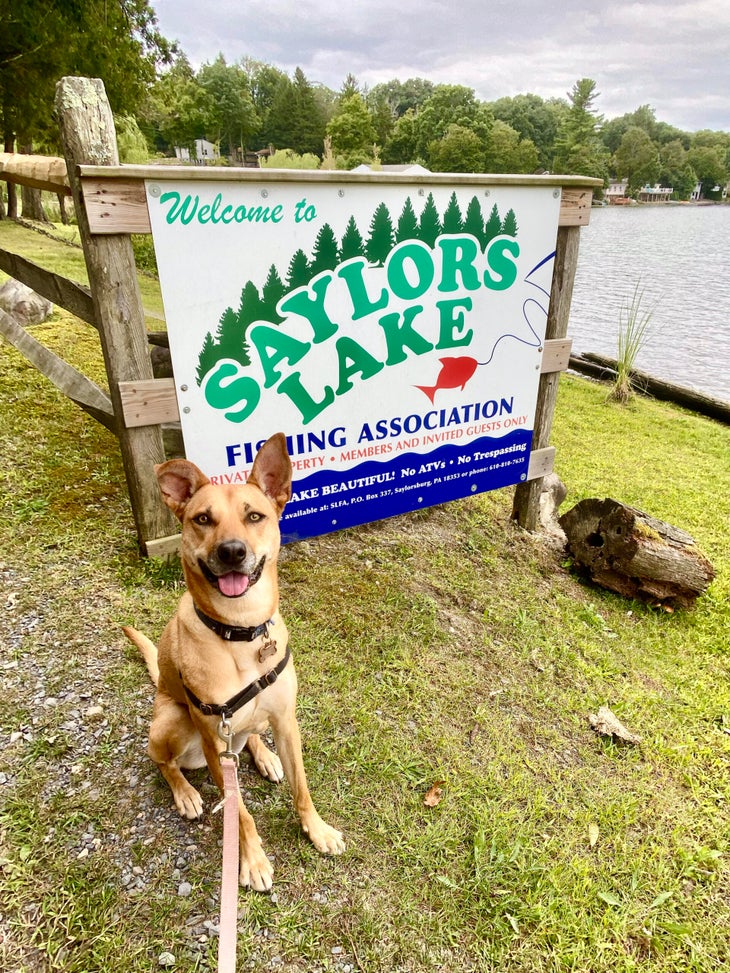
In her defense, as far as I can tell, Saylor was just born nervous and anxiety-ridden. She’s been by my side since she was about ten weeks old, when a friend-of-a-friend spied her wandering alone on the side of a Northern Arizona highway. This good samaritan stopped the car, scooped Saylor up, and through a series of social media posts and light arm twisting, a mangy, parasite-ridden loveable little floof somehow ended up at my house.
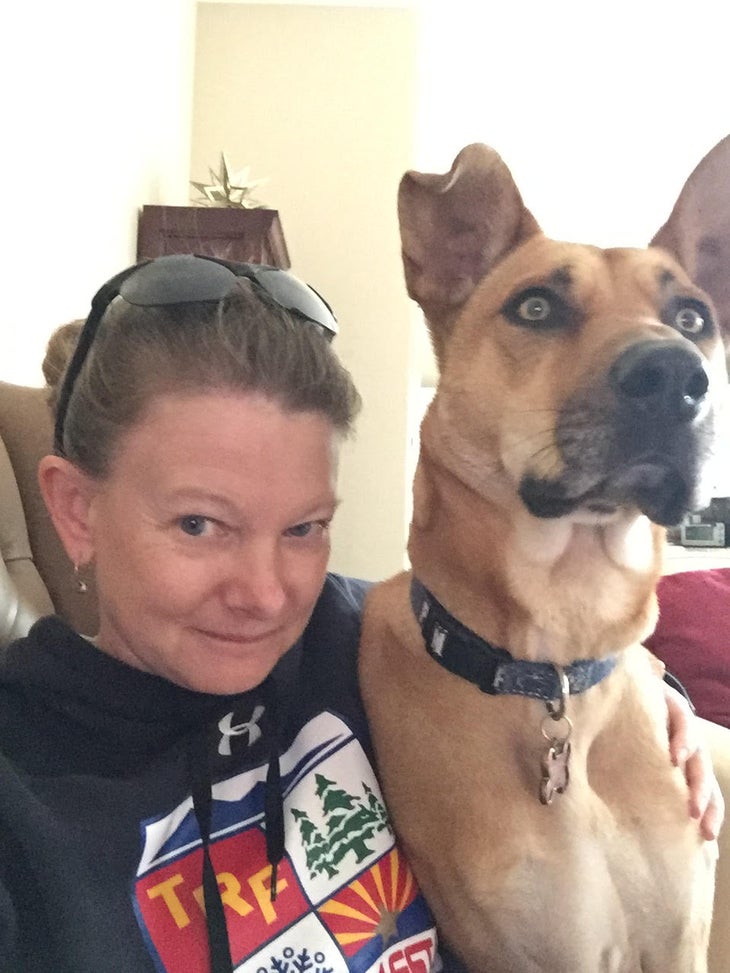
That was ten years ago. Saylor has been alerting me to stranger danger ever since. It can come in the form of a small child wearing a tutu, any type of lawn ornament or holiday decor, or a man, or any man or masculine-presenting person who exists in the world. She does not discriminate when it comes to the male species. To Saylor, they are all bad news, and she must tell me about it immediately, by barking ferociously in the direction of this specific variety of oncoming threat.
Let me be clear: Saylor is very vocal, but never aggressive.
Saylor doesn’t have a dainty bark, nor is she a petite canine. She’s never even tried to bite a human or another dog, but she looks and sounds like she’s capable of ripping your face off if necessary. I rarely get through a walk without shouting, “I’m so sorry!” to at least two innocent pedestrians or the entire block, depending on the time of day and how many people are doing yardwork. I’ll never know their names or have the opportunity to introduce myself. To these neighbors, I’ll forever be the weird dog lady on the corner.
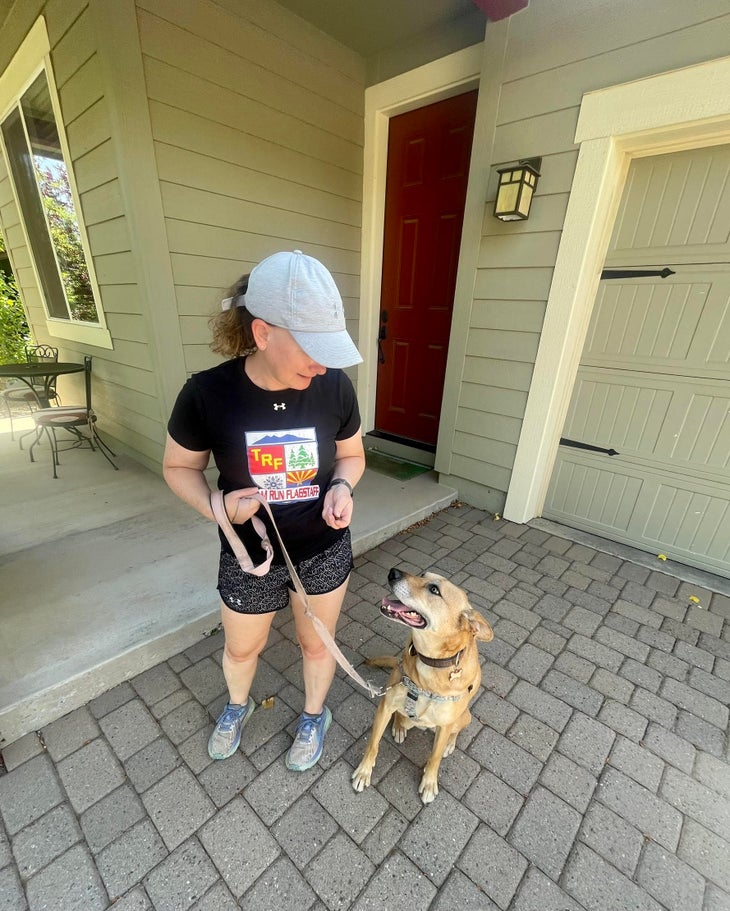
We’ve tried every “reactive dog training” trick in the book: positive reinforcement, treats aplenty, exposure therapy, professional help. I’ve thrown time, money, and a never-ending supply of love to help my best friend cope with her fears. Sometimes it works, but often it doesn’t. Unless they’re dropping filet mignon on the ground, she’s never going to enjoy the company of men. So we’ve learned to adapt—and apologize when we need to.
All of this is to say that when we lived in Flagstaff, Arizona, given the chance, I’d always opt to take her deep into the forest for her daily exercise. It was only slightly more inconvenient, but way more peaceful—for her and for me. We rarely came across small children wearing tutus while hiking up a mountain or traversing a hidden alpine meadow.
Unfortunately, we regularly encountered men (it turns out, they like hiking, too). Most of the time, when we saw one out in the wild, we could roam off-trail, hide behind a tree, and continue on with nary a yelp. One day, however, we were walking on a wide dirt road on our way to the trailhead when a man, wielding a giant water bottle, carrying a substantial backpack, cloaked in a baseball cap and sunglasses, was marching straight toward us. Nowhere to go, nowhere to hide, and every trigger in Saylor’s book coming our way. You can guess what happened next.
“Sorry,” I said, as I wrangled my little Cujo (who, I’ll reiterate, is always leashed) from about 24 feet across the road.
The man continued swinging his three-liter thermos (I will forever call this dude “Water Bottle Man” in my head), glaring directly at my dog through his oversized shades, then at me. It only agitated her more. Even though she was under my control, she moved beyond her usual ruckus to a growl and a snarl. She meant business. Back off and keep moving, Water Bottle Man.
He didn’t take kindly to the interaction, shouting some expletives at me about being a bad dog owner. At that point, I knew Saylor had done her job. And did it well.
I’m not a bad dog owner. But I am a single woman in this world who has every reason to fear strange men in the forest—or anywhere else we coexist. Man or bear? Always the bear. And if my dog barking at either keeps danger at bay, I’m never going to stop her from expressing her discontent.
In the end, I’ve decided that although I will never encourage Saylor’s behavior, I’ve found plenty of evidence that I don’t need to discourage her, either.
Just a few weeks before this incident, I was visiting my mother across the country and had gone for a run on a nearby rails-to-trails path. As I entered a secluded, but typically well-trafficked section of the route, an inebriated man on a bicycle pulled up alongside me and repeatedly screamed that he was going to sexually assault me. It was terrifying. Two other (male) runners witnessed it and did nothing. They kept running. As I increased my pace to an all-out sprint and ran as fast as I could to a populated road, he got off his bike and sat on the ground, continuing to yell horrifying threats at me until I was blessedly out of sight.
I never wished for Saylor’s company and her ferocious bark more than I did that day. And after I returned from that trip, it was months before I went on any solo outings without her. I was shaken—and well aware that my experience wasn’t at all unique among female runners (or hikers, walkers, cyclists…). Indeed, according to 2024 review in Trauma, Violence, & Abuse, most sexual violence is perpetrated by men against women. It’s the tax we pay for daring to enjoy the great outdoors as women. We all have a story.
So, is it rude to allow my dog to bark at people? Maybe. More than a few folks have told me as much. But I’d counter that it’s more inappropriate for men to threaten the safety of women out in the wilderness. If my dog deters the worst from happening, more power to her. Bark away, my reactive friend. Until the male species is better trained, I won’t stop you.
The post When in Doubt, Bark It Out: Why I Feel Safer With My Reactive Dog appeared first on Outside Online.
Source: Outside Online — Read original