
Trail Running Shoes vs. Hiking Boots: What’s Better for Day Hikes?
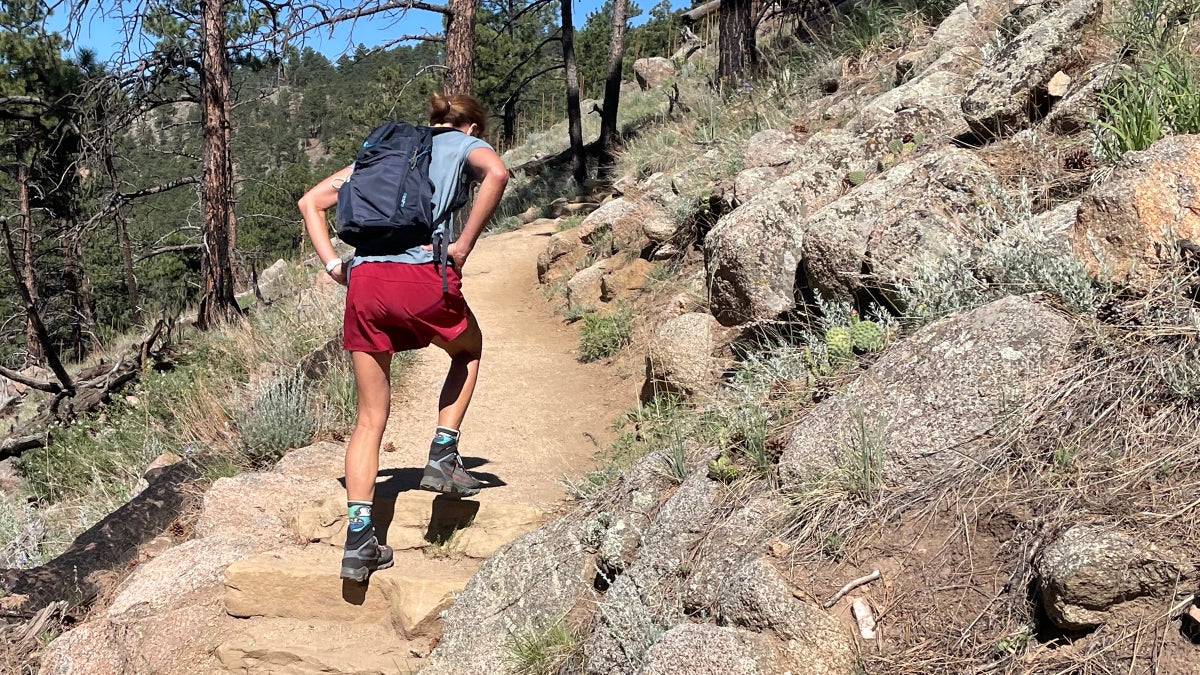
Go for a hike of any level of difficulty, and you’ll see people wearing everything from minimal trail running shoes to burly boots. It’s easy to wonder which type of footwear is better for hiking. Trail runners and day hikers travel over mu…
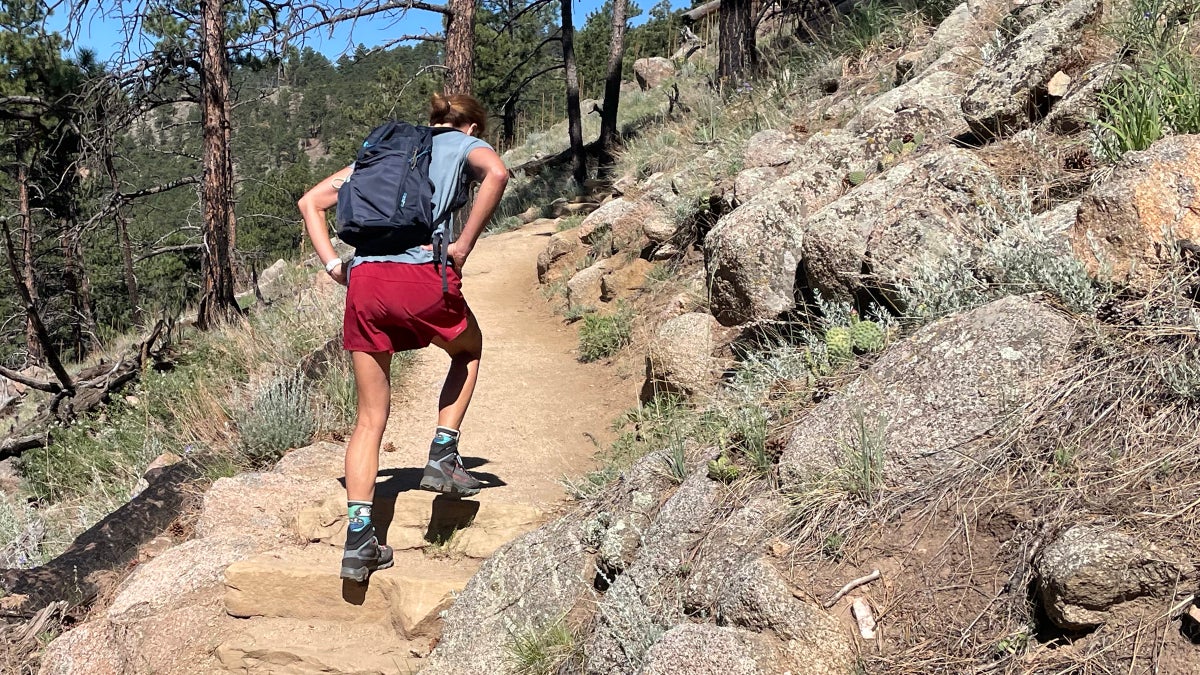
Go for a hike of any level of difficulty, and you’ll see people wearing everything from minimal trail running shoes to burly boots. It’s easy to wonder which type of footwear is better for hiking.
Trail runners and day hikers travel over much the same terrain. We’re all out there on hilly, ungroomed trails, moving one foot in front of the other. Day hikers are more likely to be carrying heavy packs and may be on the trail for longer than trail runners. Trail runners usually travel lighter and move faster. But do runners and hikers require different shoes?
The Experiment
To hone in on the differences between hiking boots and trail shoes, I started my hike in trail shoes and swapped to boots halfway through. I did this twice on looped trails, each time changing which shoe I wear first. Plus, I hiked in each shoe individually.
For this experiment, I focused on comparing trail runners and hiking boots from the same brands, with shared technologies and fit but varied performance features. I compared the La Sportiva Prodigio Pro trail running shoe (named “Best Technical Terrain” in our trail running shoe guide) against the La Sportiva Aequilibrium Hike GTX (which won Backpacker’s “Best Women’s Hiking Boots All-Around” in their 2026 hiking boot guide), and pitted the Altra Olympus 6 (which Backpacker named “Most Supportive” in their trail running shoes for hiking guide) against the Altra Olympus 6 Hike Mid GTX.
Known Pros and Cons
There are a few obvious differences between trail running shoes and hiking boots: Trail running shoes are lighter and more flexible, while hiking boots are more supportive and protective. The lighter swing weight of trail running shoes makes them more suited for moving faster, and can result in less leg fatigue. But hiking boots’ additional weight comes from supportive, padded ankle cuffs, more protective uppers, thicker rubber outsoles, and rock plates blocking underfoot jabs—making them best for times when support is a bigger priority than speed, on more rugged trails, or when carrying heavy packs.
Wear-Test Notes
While hiking, I tapped into my years of experience testing running shoes to assess the qualities of each shoe. I took note of my inner dialogue and used voice recordings on my phone to capture my thoughts while out on the trail.
The post Trail Running Shoes vs. Hiking Boots: What’s Better for Day Hikes? appeared first on Outside Online.